
AC Tune-Up vs Replacement: How to Decide This Summer (2026)
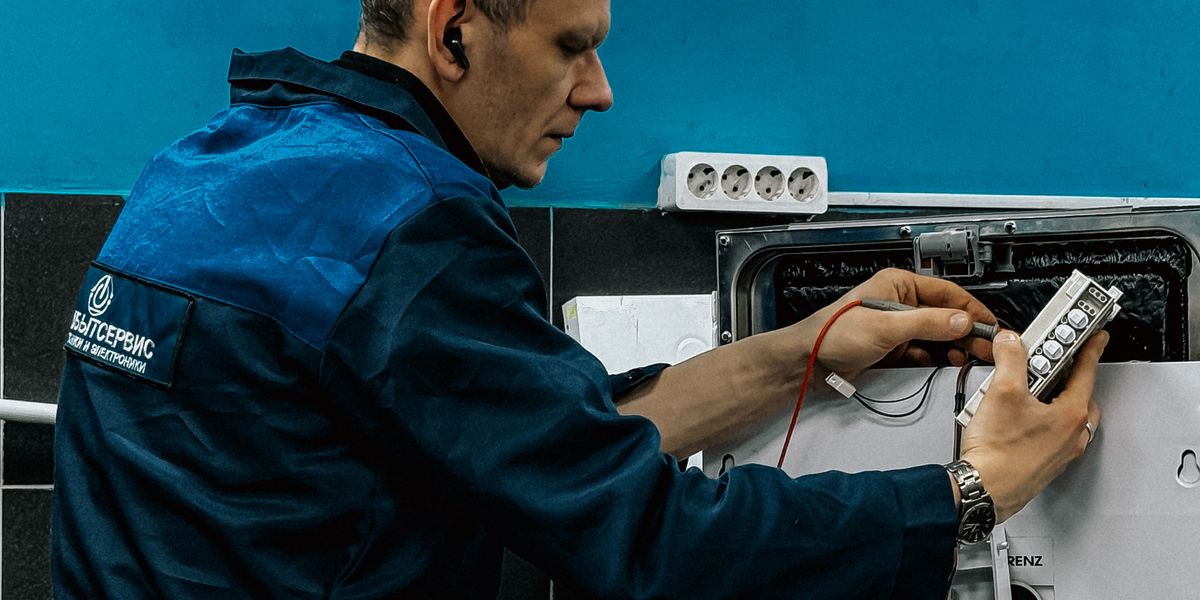
Your AC Is Struggling. Tune-Up or Replacement?
Every summer, millions of homeowners face the same question: is my AC fixable with a $150 tune-up, or is it time for a $5,000-$12,000 replacement? This guide gives you the framework to make that call without getting upsold by a contractor.
Short version: if your AC is under 10 years old, start with a tune-up or diagnostic. If it is 12+ years old and costing more than $1,500 in repairs, replacement usually wins.
7 Signs Your AC Is On Its Last Legs
1. Warm Air Blowing from Vents
Could be low refrigerant ($150-$400 recharge), a bad compressor ($1,500-$2,800 repair), or a failing reversing valve. If recharging is needed more than once, you have a leak — and that typically signals end-of-life for R-22 systems.
2. Rising Energy Bills with No Usage Change
A 15-20% spike in cooling costs compared to last summer almost always points to a dying compressor or dirty coils. New high-efficiency units cut bills 30-50%.
3. Short Cycling (Turns On and Off Every Few Minutes)
Short cycling burns out the compressor fast. Causes include oversized unit, bad thermostat, low refrigerant, or dirty coils. Tune-up can fix the last two; the others need repair or replacement.
4. Loud Noises — Grinding, Squealing, or Banging
These sound like money leaving your wallet because they are. Grinding = bad bearings ($300-$600). Squealing = worn belt or motor ($200-$500). Banging = loose part or failing compressor ($800-$2,800).
5. Ice on the Indoor Coil or Refrigerant Lines
Ice means airflow restriction or low refrigerant. Turn off the AC, let it thaw, and call a pro. If ice returns after a repair, you have a chronic issue pointing to replacement.
6. High Humidity Inside Your Home
A functioning AC pulls humidity out. If your home feels damp at 72°F, your AC is oversized, undersized, or losing capacity. Newer variable-speed units dehumidify far better than single-stage systems.
7. Age Over 12 Years + Uses R-22 Refrigerant
R-22 was phased out in 2020. Refrigerant now costs $100+/lb, and a typical recharge uses 2-4 lbs. If you have R-22, you are on borrowed time — replace at the first major failure.
The 50/50 Rule for Repair vs Replace
Calculate: (Age of Unit) x (Repair Cost) ÷ 1000
If the result is over 50, replace. Under 50, repair.
- Example A: 8-year-old unit, $600 repair → 8 x 600 ÷ 1000 = 4.8 → Repair
- Example B: 12-year-old unit, $1,400 repair → 12 x 1400 ÷ 1000 = 16.8 → Repair
- Example C: 14-year-old unit, $2,200 repair → 14 x 2200 ÷ 1000 = 30.8 → Lean replace
- Example D: 18-year-old unit, $3,000 repair → 18 x 3000 ÷ 1000 = 54 → Replace
This is a starting point, not gospel. Also factor in efficiency gains — a new 18 SEER unit can save $400-$900/year over a 12-year-old 10 SEER unit.
When Tune-Ups Still Make Sense
A $75-$200 professional tune-up can extend AC life 5+ years if done annually. A tune-up includes:
- Refrigerant level check
- Coil cleaning (indoor + outdoor)
- Blower motor inspection
- Electrical connection tightening
- Thermostat calibration
- Drain line cleaning
- Belt and filter replacement
Units that skip annual maintenance fail 2-3x faster than maintained units. Even if you are planning to replace next year, one more tune-up keeps the old unit limping through this summer.
Why Summer Is the Worst Time to Replace
Summer replacements cost 15-25% more because:
- HVAC techs are booked 2-3 weeks out — emergency premiums apply
- Manufacturer promotions end in May
- Inventory shortages push pricing up
- Heat makes installation less efficient (both for the tech and the system)
If your AC fails mid-July, a repair is often a smart move even if the 50/50 rule points toward replacement — bridge through summer with a fix, then replace in October for 20%+ savings.
How to Get Honest AC Advice (Not a Sales Pitch)
- Get 2-3 diagnostic visits. Same problem, different techs. If all three recommend replacement, it is probably time. If one pushes replacement and others recommend repair, follow the majority.
- Ask for a written repair estimate. Legitimate techs write down the exact parts and labor. Verbal-only quotes are a red flag.
- Request SEER ratings and model numbers. Compare what each contractor is proposing.
- Beware the "it is not worth repairing" line. Sometimes true, sometimes a shortcut to a big sale. Ask for specifics.
- Check reviews for that specific tech. Google reviews of the company, then search the tech name on Yelp / BBB.
Quick Decision Tree
- Age 0-7 years: Repair almost always
- Age 8-10 years: Repair if under $1,500, replace if over $2,000
- Age 11-14 years + R-410A: Use 50/50 rule
- Age 11-14 years + R-22: Lean replace on any refrigerant-related repair
- Age 15+ years: Replace unless the repair is under $500
Get Local AC Quotes Before You Decide
Knowing your options is free. Before committing to either path, get 2-3 quotes for both repair and replacement from our vetted local pros — you will see the math clearly.
Read next: AC Replacement Cost 2026: Complete Pricing Guide, 10 HVAC Maintenance Tips to Save Money, Spring AC Tune-Up Guide.
Get Free Quotes for Your Project
Connect with licensed professionals in your area. It's fast, free, and no obligation.
Get My Free Quote